Deploy your TypeScript Express App to Vercel (2024)

Disclaimer: This blog does not discuss express and how to build server logic. This only focuses on deploying the app to Vercel as a Serverless Function.
Step 1: Export app instead of listening on a certain port.
Export the app in ES6 fashion rather than app.listen()
This
export default app;
Instead of
app.listen(PORT, () => {
    console.log("Server listening on port", PORT);
});
Step 2: Create an api folder for Vercel and set it up.
Create an api folder that has an index.ts as follows:
import app from '../app';

export default app;
This imports the app from your root directory (change the path if you have a different setup) and exports it for Vercel.
Step 3: Mention the API folder in tsconfig.json
Update tsconfig.json as follows to track the api folder
{
  "compilerOptions": {
    "module": "commonjs",
    "esModuleInterop": true,
    "target": "es6",
    "rootDir": "./",
    "outDir": "build",
    "strict": true
  },
  "include": ["./api/*.ts"] // -> this is the line you need to update
}
Step 4: Create the Public folder
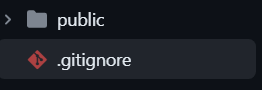
Create an empty Public folder because Vercel looks for it during deployment. We need to keep it even though no static files are to be served.
Create a .gitkeep to track the folder
Step 5: Create vercel.json file
The vercel.json should look like this
{
    "rewrites": [
        {
            "source": "/(.*)",
            "destination": "/api"
        }
    ]
}
This directs any API request received anywhere in the app is redirected to the /api folder. The /api folder uses the /api/index.ts which in turn uses the app.ts and on and on and on
Step 6: Rewrite the Build Command in package.json
Vercel handles all the transpilation, so we need to overwrite the build command in package.json. Create a new script called vercel-buiild which prevents the typescript compiler from being invoked and instead acts as a dummy placeholder. The script should look like this.
"vercel-build": "echo hello",
Step 7: Deploy
The app is now deployable and you can do it from the Vercel console by connecting your GitHub account.
If you have Vercel CLI installed you can check it on your local machine using the command
vercel dev
and deploy using
vercel
My Code: https://github.com/High-on-Bugs/typescript-express-vercel-tutorial
Check this video for a video tutorial:
If you still have any questions/queries you can reach out to me on my LinkedIn / GitHub / Twitter.
Cheers!
Comments
Join the discussionNo comments yet. Be the first to comment.


